
 Pin it
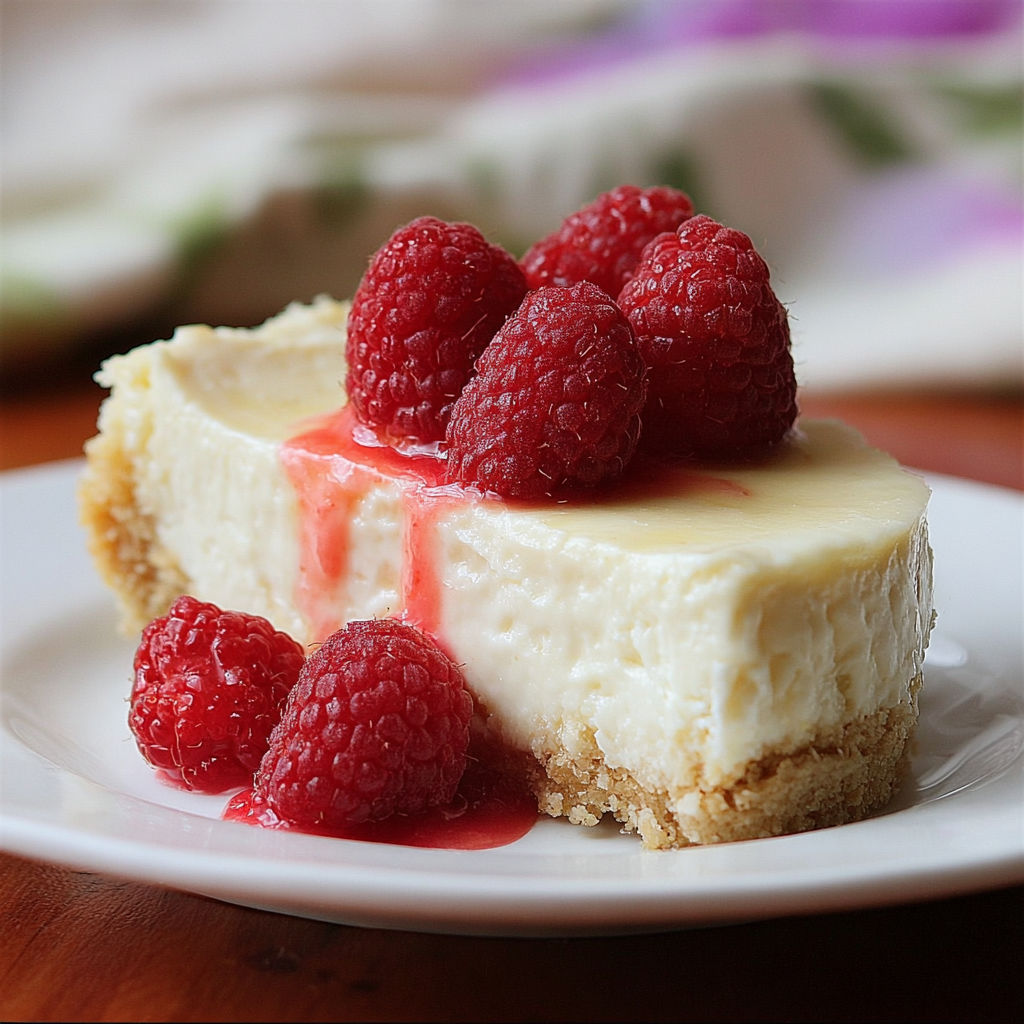
Greek Yogurt Cheesecake delivers the creamy tang of a classic cheesecake with the lighter touch of Greek yogurt, making it the perfect dessert for every season. This recipe lets you enjoy rich flavor and velvety texture while using a few wholesome ingredients and skipping the need for heavy cream or loads of sugar. Whether you want a special treat or a showstopper for gatherings, this cheesecake feels like a little secret you cannot wait to share.
I first made this when I was experimenting with lighter desserts for my sister’s birthday. Now it has claimed a spot in our family’s dessert rotation all year round.
Ingredients
- Greek yogurt: Delivers the signature tartness and creamy texture of this dessert. I always search for thick full fat Greek yogurt to amplify the rich mouthfeel
- Cream cheese or firm or soft tofu: Supplies the necessary body and helps bind everything together. Neufchatel is a great lighter cream cheese option
- Salt: Sharpens all the flavors and balances the sweetness. Use fine sea salt for best results
- Pure vanilla extract: Builds out the unmistakable cheesecake aroma. Go for real vanilla for a warm floral lift
- Lemon juice: Brightens and helps the tang stand out. Fresh lemon is best if you have it
- Maple syrup agave or sugar: Brings gentle sweetness. I love using pure maple syrup for warm depth and a subtle caramel undertone
- Cornstarch or arrowroot: Thickens the filling for a perfect slice. Check that yours has no clumps and is very fresh
- Crust of choice: Can be classic graham cracker or any nutty gluten free blend. I often use a press in almond crust for more flavor and crunch
Instructions
- Blend the Filling:
- Combine Greek yogurt, cream cheese or tofu, salt, vanilla, lemon juice, sweetener, and cornstarch in a high speed blender or food processor. Process until completely smooth and creamy. Stop and scrape the sides down once or twice if needed. The mixture should look silky without lumps
- Prep and Fill the Crust:
- Pour the silky filling into a prepared crust of choice. Smooth the top with a spatula to eliminate air bubbles. For homemade crusts, press them into your pan firmly and bake if pre bake is needed before pouring in the filling
- Bake the Cheesecake:
- Bake at 350 F for about 50 minutes. The edges should look set but the center will still appear slightly underdone. Do not overbake. The cheesecake will finish setting as it cools
- Cool and Chill:
- Let the cheesecake rest on a rack for one hour. Do not try to remove it from the pan or move it yet. It is still delicate. Move the uncovered cake to your refrigerator and let it chill for at least 8 hours. This slow chill is key for the perfect texture and flavor development
- Serve and Enjoy:
- Once cold, the cheesecake will slice neatly. Top with fresh berries, extra yogurt, or a drizzle of honey or maple if desired. Store leftovers covered in the fridge for up to five days
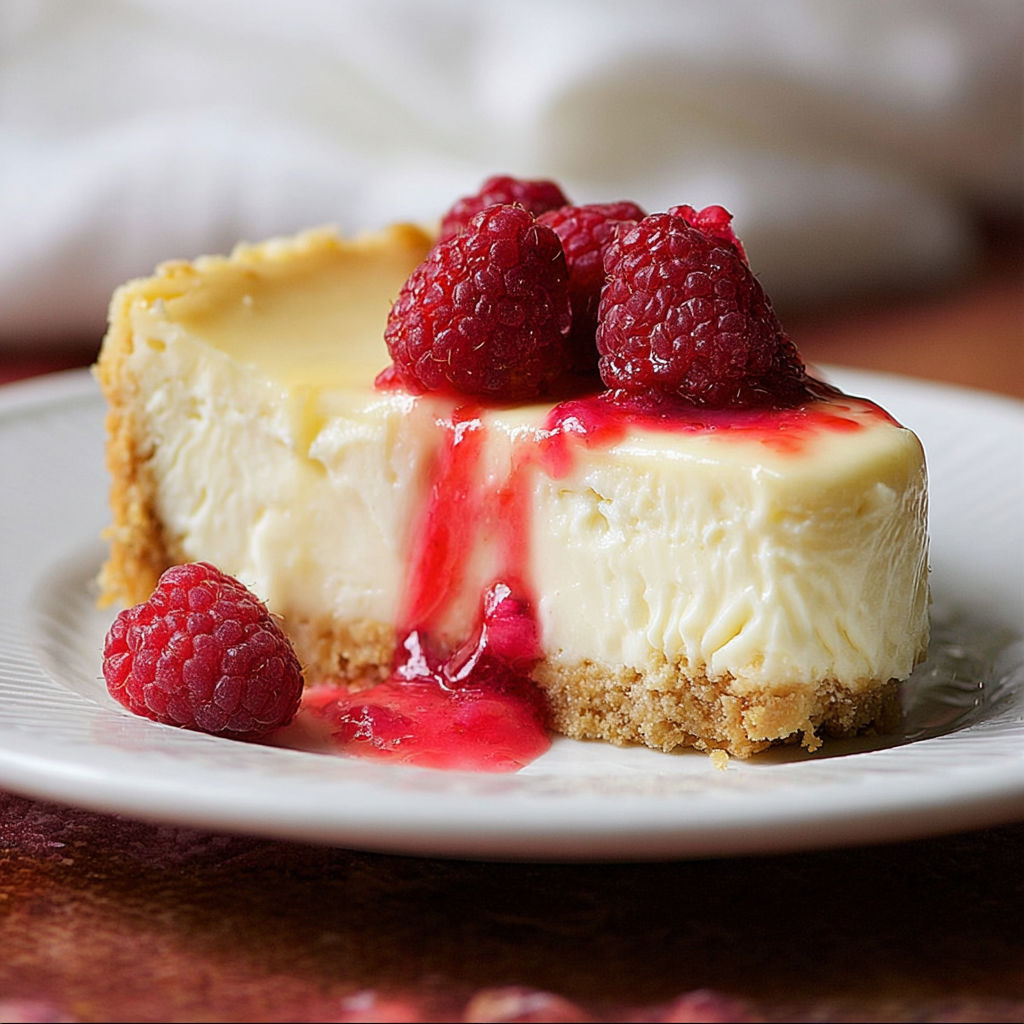
Greek yogurt in desserts reminds me of summers in Athens when my aunt would make all sorts of yogurt sweets that never felt heavy. My favorite way to serve this is with a handful of pomegranate seeds on top to echo those bright flavors from my memory.
Storage Tips
Once chilled, keep cheesecake wrapped or in an airtight container in the refrigerator. It stays fresh for up to five days. For longer storage, slice and freeze squares separated by parchment. They thaw perfectly overnight in the fridge and retain their creamy texture.
Ingredient Substitutions
If you need dairy free, use a thick vegan Greek style yogurt and silken tofu as your base. Tofutti or Kite Hill make lovely vegan cream cheeses. Agave or xylitol work well as alternative sweeteners without compromising flavor. Choose arrowroot for a gentler thickener if you avoid cornstarch.
Serving Suggestions
This cheesecake is delicious plain or topped with fresh berries, a dollop of whipped cream, or a swirl of lemon curd. For holidays I spoon a quick berry compote over each slice. In the summer I lean into stone fruit or roasted figs. Every season offers a new pairing.
Cultural Context
Greek yogurt desserts have a long history in Mediterranean cuisine, emphasizing simple fresh ingredients. Home cooks throughout Greece often blend yogurt with honey or fruit. A cheesecake version celebrates these flavors in a style familiar to North American tables.
Seasonal Adaptations
Swap lemon for orange zest in winter for warmth. Top with macerated strawberries or apricots in spring and summer. For autumn, add a drizzle of maple syrup and toasted nuts for a cozy finish.
Success Stories
This recipe helped my friend host her first ever gluten and dairy free dinner party. She was amazed that nobody noticed the swaps and the cake vanished so fast. Making this for a baby shower also earned me three recipe requests, so do not be surprised if you become the official dessert person.
Freezer Meal Conversion
For best freezing, slice the fully cooled cheesecake and wrap portions tightly in plastic or parchment. Store in a zippered freezer bag or container. You can enjoy a stress free dessert ready to go with just a few hours of thawing in the fridge.
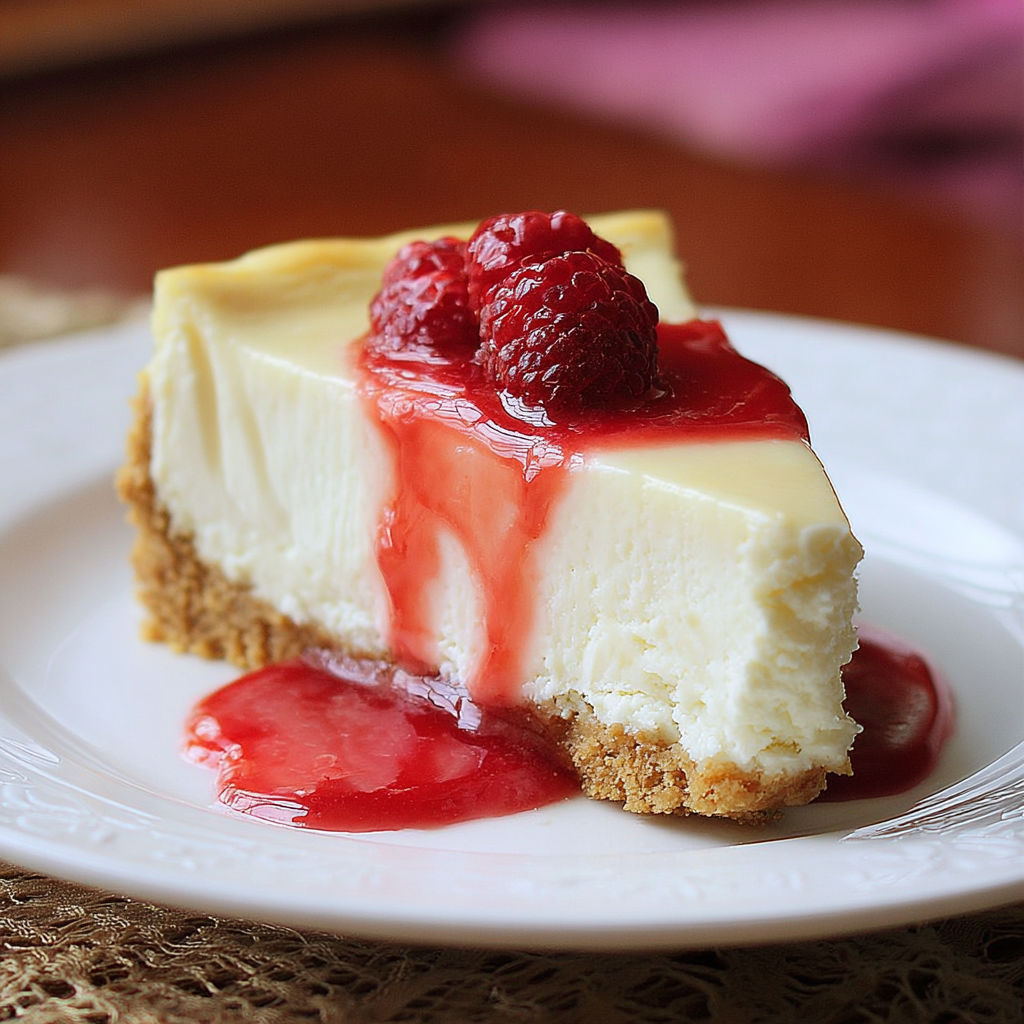
This cheesecake is always a showstopper & never fails to make dessert time feel special. Each slice brings back sweet summer memories and the joy of making treats everyone can enjoy.
Recipe FAQs
- → What type of Greek yogurt works best?
Full-fat Greek yogurt gives the richest, creamiest result. Low-fat can be used for a lighter texture.
- → Is it possible to make this dairy-free?
Yes, substitute vegan Greek yogurt and use tofu in place of cream cheese for a dairy-free option.
- → How do I know when the cheesecake is done baking?
It should look slightly underdone after baking. The dessert firms up as it cools and chills.
- → Can I use different sweeteners?
Pure maple syrup, agave, sugar, or xylitol all work well. Adjust for desired sweetness and preference.
- → What crust pairs well with this dish?
Graham cracker or cookie-based crusts are classic, but a nutty or oat crust also complements the flavors.