
 Pin it
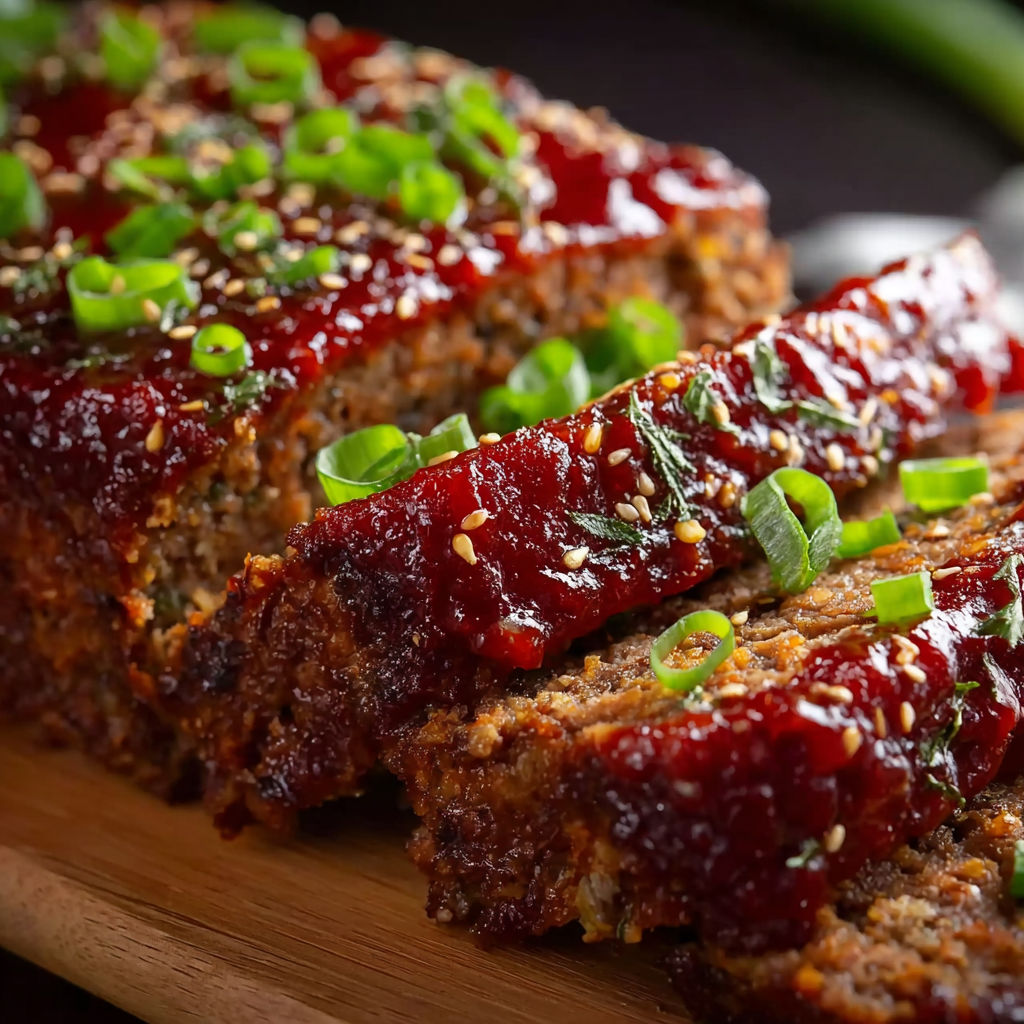
This Asian-inspired Korean meatloaf brings together comforting textures with bold Korean flavors, creating a savory twist on a classic family dish. Each slice is packed with tender pork, aromatic garlic, and the unmistakable heat and umami from gochujang—all balanced with a sweet and tangy glaze.
I first made this for a neighbor’s dinner request and was amazed at how it disappeared before my eyes—it truly steals the show with very little effort.
Ingredients
- Ground pork: Provides a juicy and rich base, look for fresh pork with a bright color
- Panko bread crumbs: Keep the loaf airy and light, Japanese panko works best for texture
- Green onions: Both whites and greens, fresh and crisp for layering flavors
- Gochujang: Delivers sweet, smoky, spicy notes, choose a Korean brand for best results
- Onion: Diced for sweetness and moisture, go for a heavy, firm onion with shiny skin
- Eggs: Bind the mixture and hold it together, bring them to room temperature for easier mixing
- Kosher salt: Enhances flavors, flaky salt helps distribute seasoning more evenly
- Garlic: Fresh cloves give pronounced aroma and earthy body, opt for firm and white bulbs
- Vegetable oil: Helps soften aromatics and keeps everything moist, neutral oil works fine
- Apricot jam or other fruit jam: Gives the glaze sweetness and shine, pick a high-fruit content jam
- Honey: Deepens the glaze’s sweetness, raw or local honey preferred for richness
- Sesame oil: Finishes the glaze with toasty, nutty aroma, choose a roasted variety for flavor punch
- Garlic powder (for the glaze): Supplies seasoning without burning
- Soy sauce: Adds salty umami, my favorite is Kikkoman for consistent flavor
- Rice wine vinegar: Gives the glaze a lively tang, clear and unclouded vinegar is best
- Sesame seeds: Add crunch and visual appeal, use toasted for better texture
Instructions
- Prep the Aromatics:
- Finely mince fresh garlic cloves, dice onions to about half inch pieces, and thinly slice green onions, separating whites and greens. Let the eggs come to room temperature. This step ensures everything cooks and blends evenly for maximum flavor.
- Cook Onions and Garlic:
- Heat vegetable oil in a skillet over medium heat, then add diced onions. Cook gently for ten minutes until translucent and soft, stirring occasionally. Add minced garlic and sauté for two more minutes until just fragrant. Cool this mixture in a bowl in the fridge for ten minutes so that it does not cook the eggs in the next step.
- Make Binder Mixture:
- In a medium bowl, combine cooled onion and garlic mixture with green onion whites, gochujang, eggs, and kosher salt. Mix until just blended. The secret is gentle mixing which helps avoid a tough or dense meatloaf.
- Combine with Pork and Panko:
- Add ground pork and panko bread crumbs to a large bowl. Pour the binder mixture over the top and fold everything together by hand until just incorporated. Work gently and finish with folding in the green onion greens which keep the final flavor vibrant and fresh.
- Shape and Bake:
- Firmly press the mixture into a prepared loaf pan, making sure there are no air gaps which helps the loaf hold its shape. Bake at 350 degrees Fahrenheit for forty minutes or until an instant thermometer reads 140 degrees Fahrenheit in the center.
- Mix the Glaze:
- While the meatloaf bakes, whisk together apricot jam, gochujang, honey, sesame oil, garlic powder, soy sauce, and rice wine vinegar. You want a glossy smooth sauce with a slight tang and heat.
- Glaze and Finish Cooking:
- Remove the meatloaf from the oven at 140 degrees and spread the glaze evenly over the top. Return to the oven and continue baking 10 to 15 minutes until the internal temperature reaches 160 degrees Fahrenheit and the glaze is sticky and caramelized.
- Rest and Serve:
- Let the meatloaf rest for five minutes in the pan. Scatter sesame seeds over the top. Slice and serve warm for the best texture and flavor.
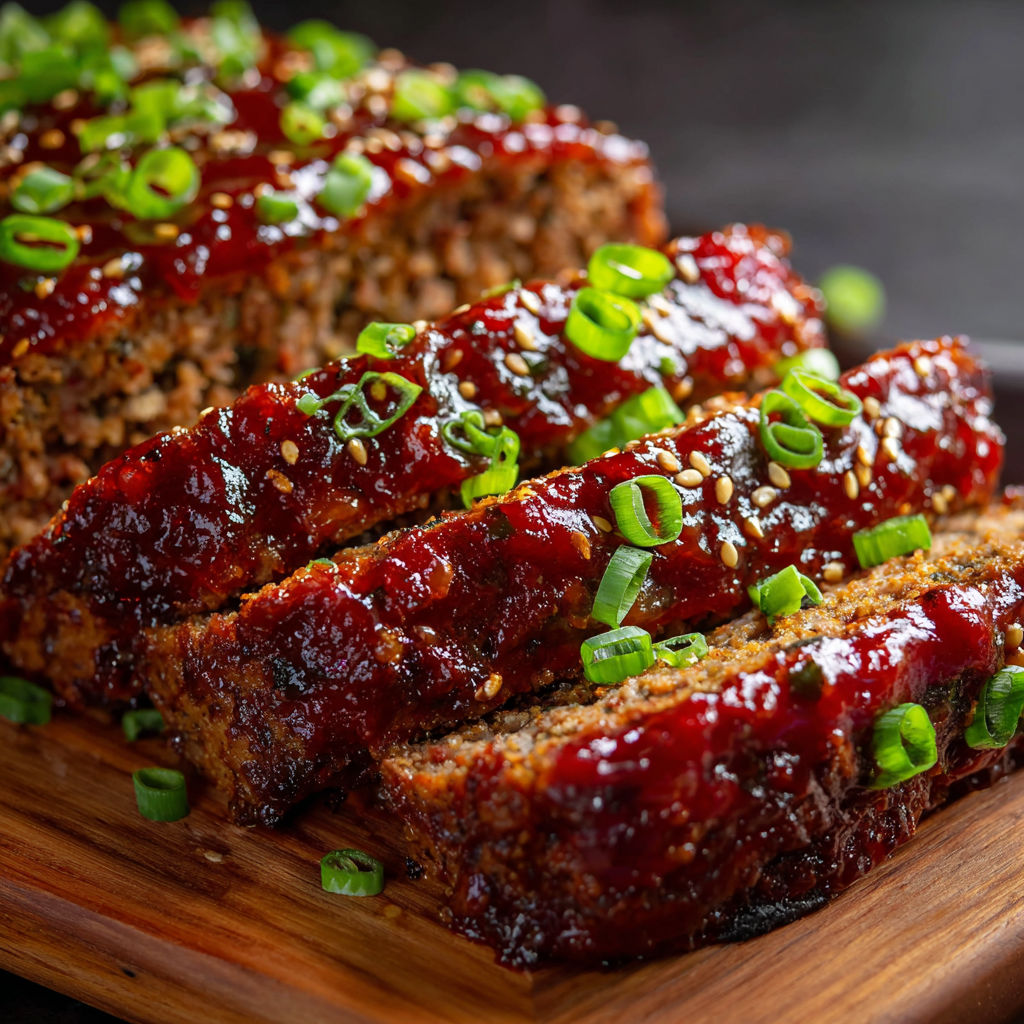
One of my favorite parts is the gochujang glaze which gives the loaf a punchy sticky finish. My little ones love scattering sesame seeds on top and they always race to get the end slices for the most caramelized edges. There is something extra special about how the simple jam glaze brings all these savory elements together in a way everyone enjoys.
Storage Tips
Once cooled, store leftover slices in an airtight container for up to three days in the fridge. For best texture, reheat gently in the oven covered with foil or microwave with a splash of water. Avoid cutting until you are ready to serve to help retain its moisture.
Ingredient Substitutions
If you do not have gochujang, sriracha or chili garlic sauce works for a similar heat profile. Ground turkey or beef can replace pork but you may need to add another tablespoon of oil for moisture. Any sweet fruit preserve works for the glaze but apricot or plum keep the flavors bright.
Serving Suggestions
Serve thick slices over hot rice with steamed broccoli for a classic Korean style meal. It is also delicious between toasted buns with extra glaze or tucked into lettuce wraps for a fresh crunchy bite. Sprinkle extra green onions or even thin cucumber slices for added crispness.
Cultural Context
Korean inspired meatloaf borrows from the comfort food tradition while showcasing bold flavors of Korean cuisine. Gochujang and sesame oil are pantry staples across Korea and using them in Western-style meatloaf gives a nod to Korean barbecue nights. Every bite brings together both worlds in a new familiar way.
Seasonal Adaptations
Use fresh spring onions in place of green onions when in season. Try fig or peach jam in the summer for a warmer fruit note. In winter add finely grated carrot or daikon for extra moisture and color.
Success Stories
I have made this meatloaf for potlucks, family dinners, and even as a freezer meal for busy weeknights and it always brings rave reviews. Friends are often surprised by the sticky-sweet glaze and how tender each slice stays. One friend even declared it better than takeout.
Freezer Meal Conversion
To freeze, shape the loaf and freeze unbaked wrapped tightly for up to two months. Glaze just before baking. Defrost overnight in the refrigerator then bake per directions adding 10 to 15 minutes extra if baking direct from chill.
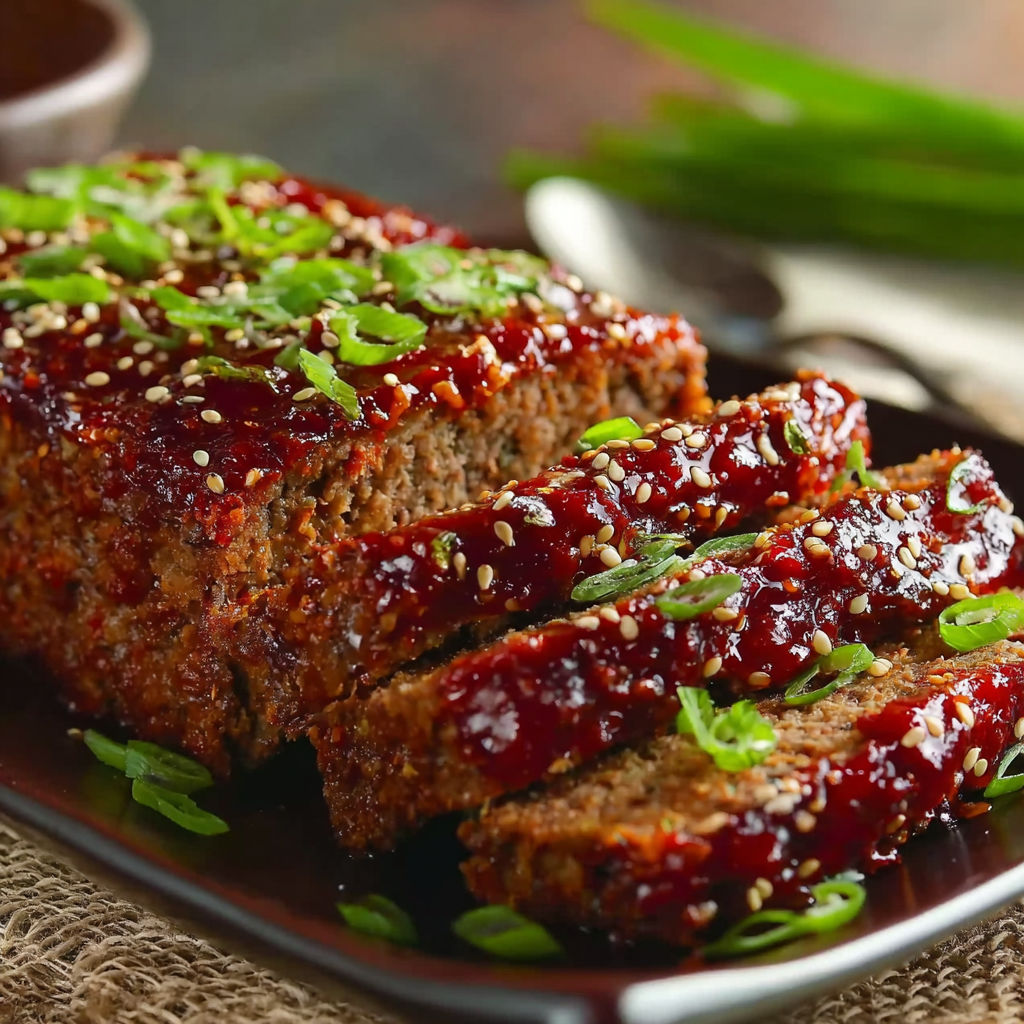
This meatloaf is worthy of a celebration but easy enough for busy weeknights. Enjoy the bold flavors and savor every tender bite.
Recipe FAQs
- → What does gochujang add to the dish?
Gochujang brings subtle heat, deep umami, and a touch of sweetness to the meat and glaze, giving the loaf its signature Korean-inspired flavor.
- → Can I use another type of meat?
Yes, you can substitute ground beef, chicken, or turkey for pork, though pork provides the juiciest and most authentic texture.
- → What can I serve alongside this meatloaf?
Steamed rice, sautéed greens, cucumber salad, or kimchi make flavorful side options that complement the bold, savory loaf.
- → How does the glaze enhance the dish?
The apricot jam and honey add sweetness and a glossy finish, while vinegar and soy sauce brighten the overall flavor profile.
- → Should the meatloaf rest before slicing?
Letting the loaf rest helps redistribute juices, ensuring each slice stays moist and holds together well when cut.