
 Pin it
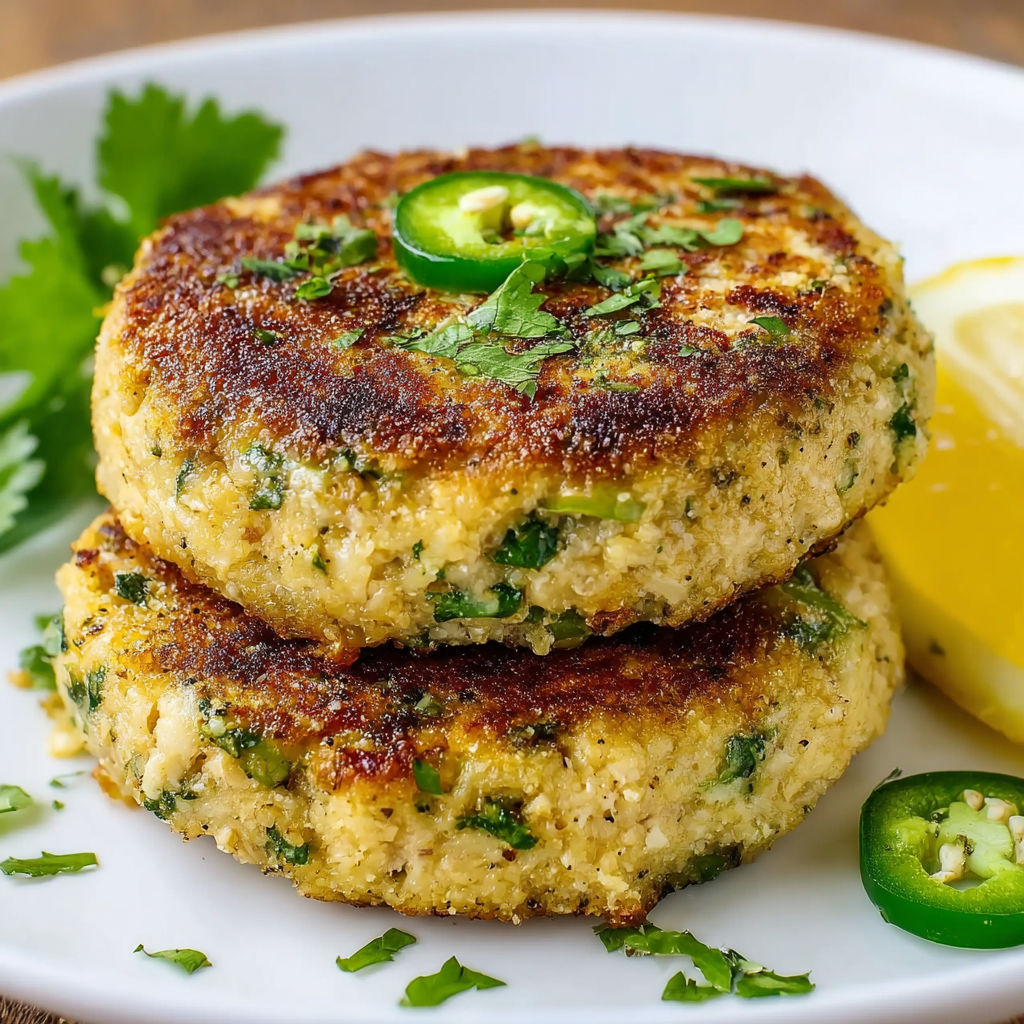
These tuna cakes burst with freshness from jalapeno and cilantro and are a quick protein-packed meal that puts canned tuna to its best use. Whether you need a lively weeknight dinner or an impressive appetizer, these crisp-edged cakes never disappoint. The blend of herbs and a squeeze of lemon keeps them light and makes each bite totally crave-worthy.
I first made these when looking for a way to liven up canned tuna and they far exceeded my expectations. Now they are my go-to party dish and even skeptical friends ask for the recipe.
Ingredients
- Canned solid white tuna in water: Use a good-quality brand and drain very well for the best texture
- Large eggs: Vital for binding the cakes so they stay together
- Fresh cilantro: Brings vibrant herbaceous notes Clean bunches so you do not get any dirt in your mix
- Almond flour: Creates structure with a subtle nutty flavor and keeps things gluten free Make sure it is finely ground
- Mayonnaise: Adds moisture creaminess and helps bind Use a real egg-based mayo for flavor
- Fresh lemon juice: Gives freshness and bright acidity Go for just-squeezed rather than bottled
- Jalapeno peppers: Deliver gentle heat and color Choose firm green peppers for a fresh taste
- Large onion: Caramelizing the onion makes the cakes sweeter and deeper in flavor Pick a firm onion with no sprouting
- Extra light olive oil or olive oil: For sautéing the onions and frying the cakes Use a mild-flavored oil so it does not overpower the other flavors
- Salt: Essential for seasoning and for bringing all the flavors forward Use kosher salt for even seasoning
- Pepper: Gives a warm finish Use freshly cracked black pepper if possible
Instructions
- Drain the Tuna:
- Press all the water from the tuna using a large strainer and the back of a spoon This creates a firmer cake texture and prevents sogginess
- Sauté and Cool the Onions:
- Cook finely chopped onions in olive oil for about eight minutes over medium heat Stir often until they turn soft and translucent Let them cool completely before adding to the mix so the eggs do not scramble
- Mix the Wet Ingredients and Herbs:
- In a spacious mixing bowl whisk together mayonnaise lemon juice salt and pepper Next add the chopped cilantro and jalapeno peppers Stir until everything is evenly combined
- Combine Everything:
- Add the well-drained tuna beaten eggs cooled onions and almond flour into the wet mixture Mix very thoroughly until the batter holds together and feels cohesive It should be moist but firm
- Shape and Sear the Cakes:
- Heat a teaspoon of olive oil in a large nonstick skillet over high for one minute then reduce to medium Scoop out the tuna mixture using a one-third cup measure Gently press each portion into a cake shape with your hands working firmly so it stays together
- Cook Until Golden:
- Place cakes into the hot skillet without crowding Cook each side for about three minutes until deeply golden brown and crisp Adjust heat if they are browning too fast Add more oil for each new batch if the pan gets dry
- Serve:
- Enjoy the tuna cakes hot or warm straight from the skillet for the best texture and flavor

The jalapenos are my favorite part They add a subtle spark without overpowering the fish My family always laughs remembering the first time my nephew asked are there pickles in these He now helps me chop the cilantro every time
Storage Tips
Store any extra tuna cakes in an airtight container in the fridge for up to three days Let them cool fully before refrigerating Reheat gently in a nonstick skillet or in the oven for best texture Microwaving can make them soft
Ingredient Substitutions
You can use canned salmon instead of tuna if you like or try parsley instead of cilantro If you need to skip nuts use fine oat flour or even chickpea flour for binding For extra spice toss in a dash of cayenne or swap in serrano peppers
Serving Suggestions
Pile into pita bread with lettuce and sliced tomato for a fresh sandwich Serve on a salad with creamy dressing for a light lunch I often pair with slaw or roasted vegetables for a hearty dinner They are also great small for party sliders
Cultural and Historical Context
Fish cakes like these are a classic comfort food in coastal regions around the world What makes this version special are the fresh herbs and chili which add a modern vibrant twist This recipe was inspired by flavors from my childhood but made lighter and more colorful
Seasonal Adaptations
In spring try swapping the cilantro for chopped chives or dill Peak summer tomatoes add juiciness when served on the side For autumn add a pinch of smoked paprika for warmth
Success Stories
Several friends who usually dislike canned tuna declared these the only fish cakes they enjoy Kids love helping shape the patties and are always proud of the crispy result They have made appearances at family gatherings and never last long
Freezer Meal Conversion
Freeze the uncooked patties flat on a tray then transfer to a zip bag Once ready to cook thaw overnight and cook as usual They taste just as fresh and make weeknight dinners much faster
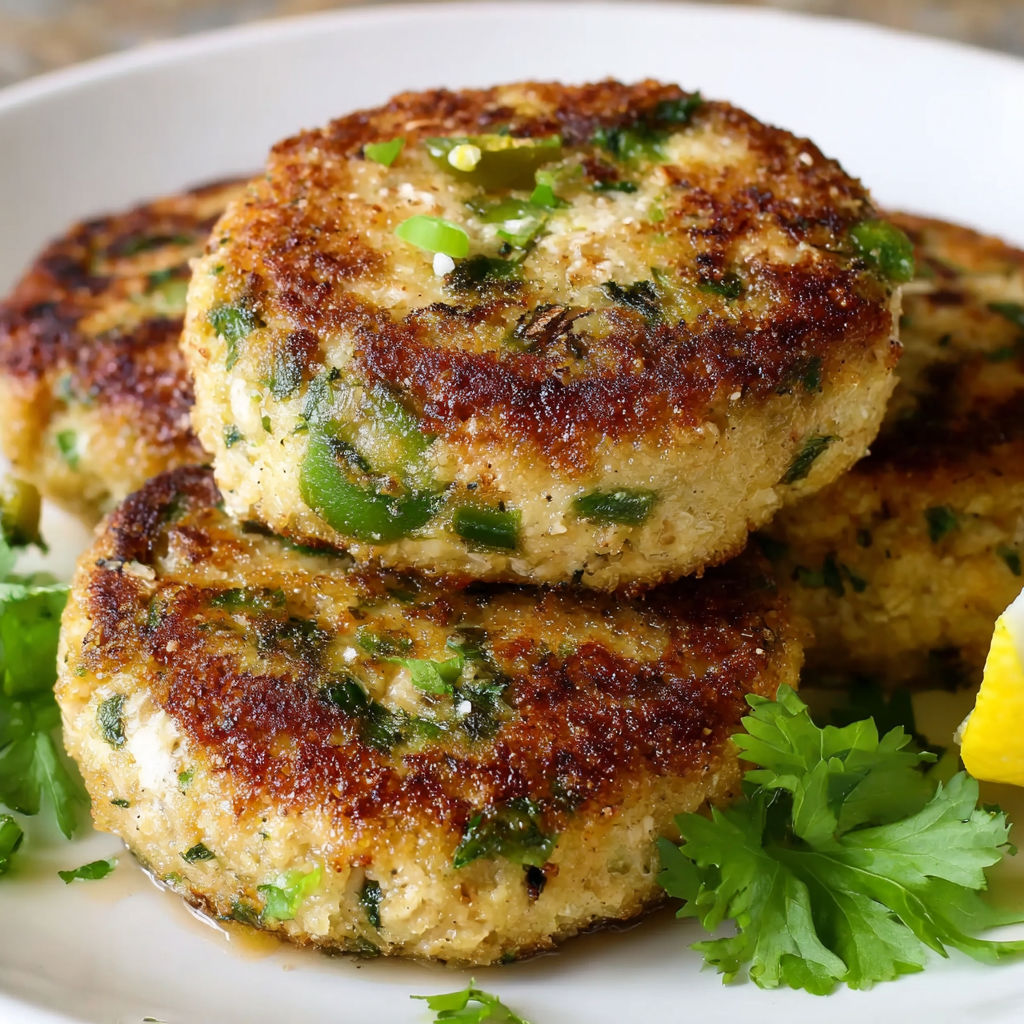
Whether you serve these as an appetizer or a meal, they never fail to impress with simplicity and bold flavor. Make them once and they will become a repeat favorite.
Recipe FAQs
- → What type of tuna is best for these cakes?
Solid white tuna in water is preferred for its firm texture, which helps the cakes hold together well.
- → Can I use another herb besides cilantro?
Yes, parsley or basil can be substituted, though cilantro offers a fresh, bold flavor unique to this dish.
- → How spicy will the cakes be with jalapenos?
The heat depends on how many jalapenos you use and whether you remove the seeds. Adjust to your taste preference.
- → Can almond flour be substituted?
You can try breadcrumbs for a different texture, but almond flour keeps the cakes gluten-free and light.
- → What is the best method for cooking the cakes?
Pan-frying in olive oil over medium to medium-high heat ensures a crispy exterior while keeping the inside moist.
- → Is it okay to serve them cold or room temperature?
These cakes are best when served hot or warm, though leftovers can be enjoyed cold or reheated.