
 Pin it
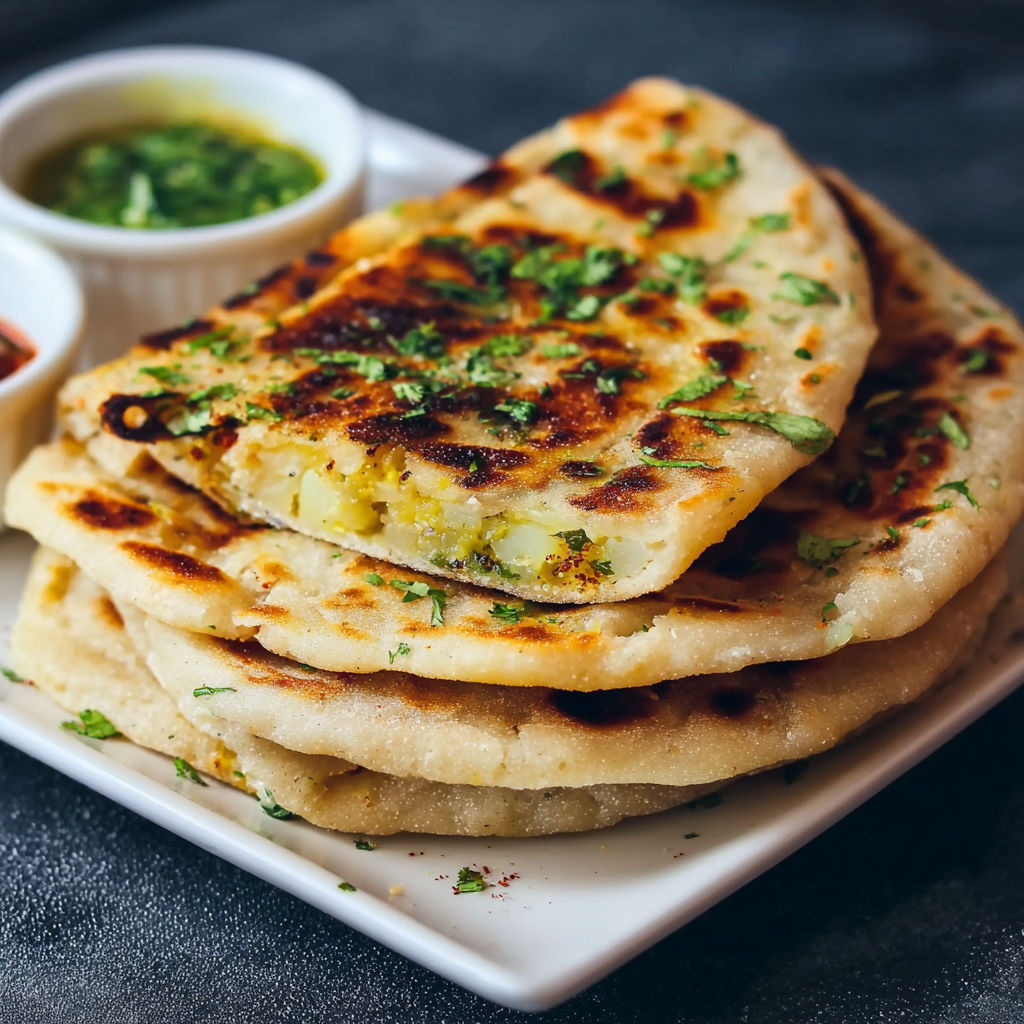
Nothing brings people together at my table quite like the warm aroma of sizzling Aloo Paratha. This is the beloved stuffed flatbread my mother reached for whenever she wanted to comfort us or turn leftovers into something craveable. Aloo Paratha is hearty, layered with spices, and with each bite you get pillowy dough and savory potato filling. It is as good for breakfast as it is for lunch or a busy weeknight dinner.
I first learned how to make Aloo Paratha seated beside my cousin in a tiny kitchen. We laughed as we rolled the dough and tried not to let the filling peek out. Now when I want a meal everyone gets excited for this is my first choice.
Ingredients
- Plain white flour: Forms the sturdy but tender base
- Salt: Brings out the flavors in both the dough and filling
- Water: Hydrates the flour to create a smooth dough
- Vegetable oil, ghee or butter: Adds flavor and keeps the parathas soft
- Mashed potato: Makes the filling hearty and gently creamy
- Shallots or scallions: Give the filling a light but savory bite
- Fresh coriander or cilantro: Adds brightness and herby freshness
- Fresh ginger: Brings zing and warmth to every bite
- Garam masala: Deepens the flavor with its blend of warming spices
- Ajwain or carom seeds, or thyme: For a subtle herbal lift and digestibility
- Chili powder: Gives a gentle heat to the filling
- Salt: A little more ensures the potatoes sing with savory goodness
Instructions
- Make the Dough:
- Mix flour, water and salt in a large bowl with your hand or a wooden spoon until combined. Begin kneading on a lightly floured surface and work the dough for about 8 to 10 minutes until it turns smooth and elastic. Press a finger in the dough and it should bounce back slowly. Drizzle oil over the top, shape into a ball and cover with a damp cloth or plastic wrap. Let it rest on the counter for at least 20 minutes to relax the gluten which makes rolling out easier later.
- Prepare the Filling:
- In a separate bowl combine mashed potatoes, chopped shallots, fresh coriander, grated ginger, garam masala, ajwain or thyme, chili powder and salt. Mix until everything is evenly distributed and the mixture is lump free. Taste and adjust seasoning as you like. If the potatoes are very loose let the mixture sit uncovered so it can dry a little and it will be easier to stuff.
- Shape and Fill Parathas:
- Once the dough is rested, divide it into four equal pieces. With a rolling pin flatten one piece into a round circle about 7 inches across. Place about a third cup of potato filling in the center. Bring the edges of the dough up around the filling and pinch tightly to completely enclose it. Press the ball gently to flatten then carefully roll it out again aiming for a thickness of a little less than one centimeter. If some filling peeks through you can patch with a little extra dough. Repeat with the other portions.
- Cook Parathas:
- Heat one tablespoon oil in a nonstick or cast iron skillet over medium heat. When the oil shimmers, place a paratha on the hot surface. Cook for about 1 minute and 45 seconds until the underside develops golden brown spots and smells toasty. Flip with a spatula and let the other side cook for about 1 minute and 30 seconds. It should turn golden and maybe puff up just a bit.
- Keep Warm:
- Transfer the cooked paratha to a wire rack or plate then cover lightly and place in a preheated very low oven to keep warm. Repeat the cooking process with the remaining parathas, adding a splash more oil if needed.
- Serve:
- Serve the parathas hot off the pan accompanied by cooling yogurt or tangy chutney if you like. Enjoy as is or with a dollop of butter for a richer finish.
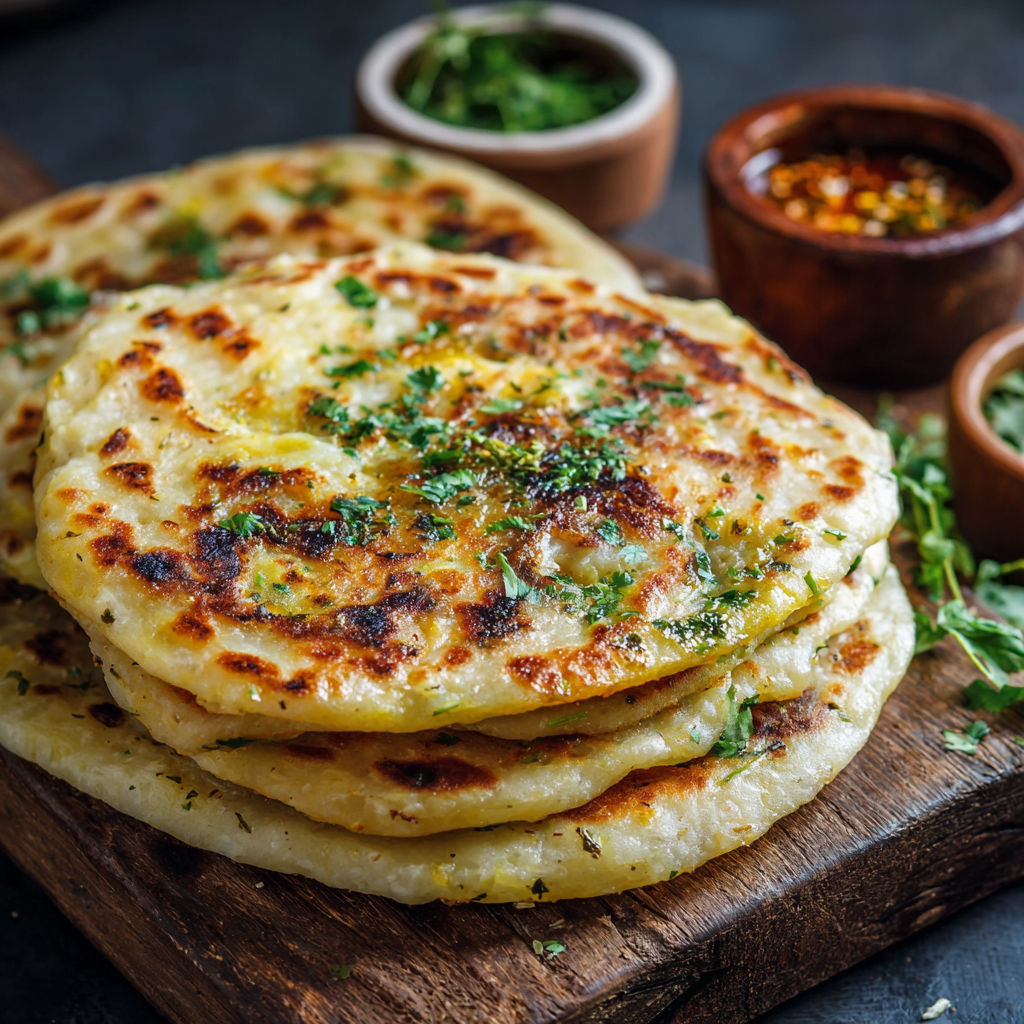
The ajwain seeds in this recipe are my absolute favorite because they make the flavor so unique and help digestion. I remember my grandmother insisting we always add them and this tiny detail is now my secret for the best filling. The first time we made these together she showed me how to sprinkle just a pinch over the hot paratha for a heady scent.
Storage tips
Cooked parathas keep well wrapped in a kitchen towel stored in an airtight container at room temperature for a day or in the fridge for up to three days. For longer storage wrap in foil and freeze. To reheat simply warm them on a skillet or in the oven until soft and steamy.
Ingredient substitutions
No ajwain? It can be swapped for a little thyme or caraway but the taste will change. Scallions can replace shallots or you can even add grated carrot or peas for more veggies. If you are out of fresh coriander use a small amount of parsley or a sprinkle of dried herbs.
Serving suggestions
Aloo Paratha shines at breakfast with a cup of spiced chai but it is also a treat tucked into lunch boxes or alongside a simple lentil curry. Pair with tangy yogurt and spicy mango pickle to balance the richness or with a fried egg on top for extra comfort.
Cultural and historical context
Aloo Paratha traces its roots to the Punjab region of India and Pakistan where wheat fields and potatoes both flourish. Traditionally made for breakfast it is loved across North India as a nourishing start to the day. The act of stuffing and rolling is a shared ritual in many families and every cook has their own twist on the potato filling.
Seasonal Adaptations
Fresh spring herbs like mint or dill brighten up the filling. Roasted or leftover vegetables can be blended into the potatoes in autumn. A sprinkle of pomegranate seeds in winter makes for a festive touch. My family enjoys parathas with whatever is in season and sometimes we stir in leftover cooked greens for an extra pop of color.
Success Stories
One friend never liked potatoes until she tried these parathas hot and crisp from my kitchen. Now she makes triple batches and freezes them for quick breakfasts. In my house if I am making Aloo Paratha I have to double the recipe or there are never any leftovers for lunch.
Freezer Meal Conversion
To freeze cooked parathas let them cool completely then stack with parchment between each and wrap in foil before freezing. To serve thaw in the fridge overnight and warm in a skillet with just a hint of oil. They stay almost as soft as fresh and make a great emergency meal.

This comforting recipe never fails to bring my family together. Serve it up warm and watch everyone reach for seconds.
Recipe FAQs
- → What type of flour works best for the dough?
Plain white flour creates a tender texture, but whole wheat flour can also be used for a heartier taste.
- → Can the filling be made ahead of time?
Yes, the potato filling can be prepared in advance and stored refrigerated until ready to assemble.
- → How thick should the flatbread be when rolling?
Roll each stuffed dough round to about 2/3-inch thickness for optimal cooking and texture.
- → What's the best way to serve this flatbread?
Serve hot with cooling yogurt, tangy chutney, or pickled vegetables alongside for added flavor.
- → Can different herbs be used in the filling?
Absolutely, substitute fresh parsley or mint in place of cilantro for a different herbal note.
- → Is pan-frying essential or can it be baked?
Pan-frying is traditional for a crisp exterior, but baking is possible for a slightly different texture.